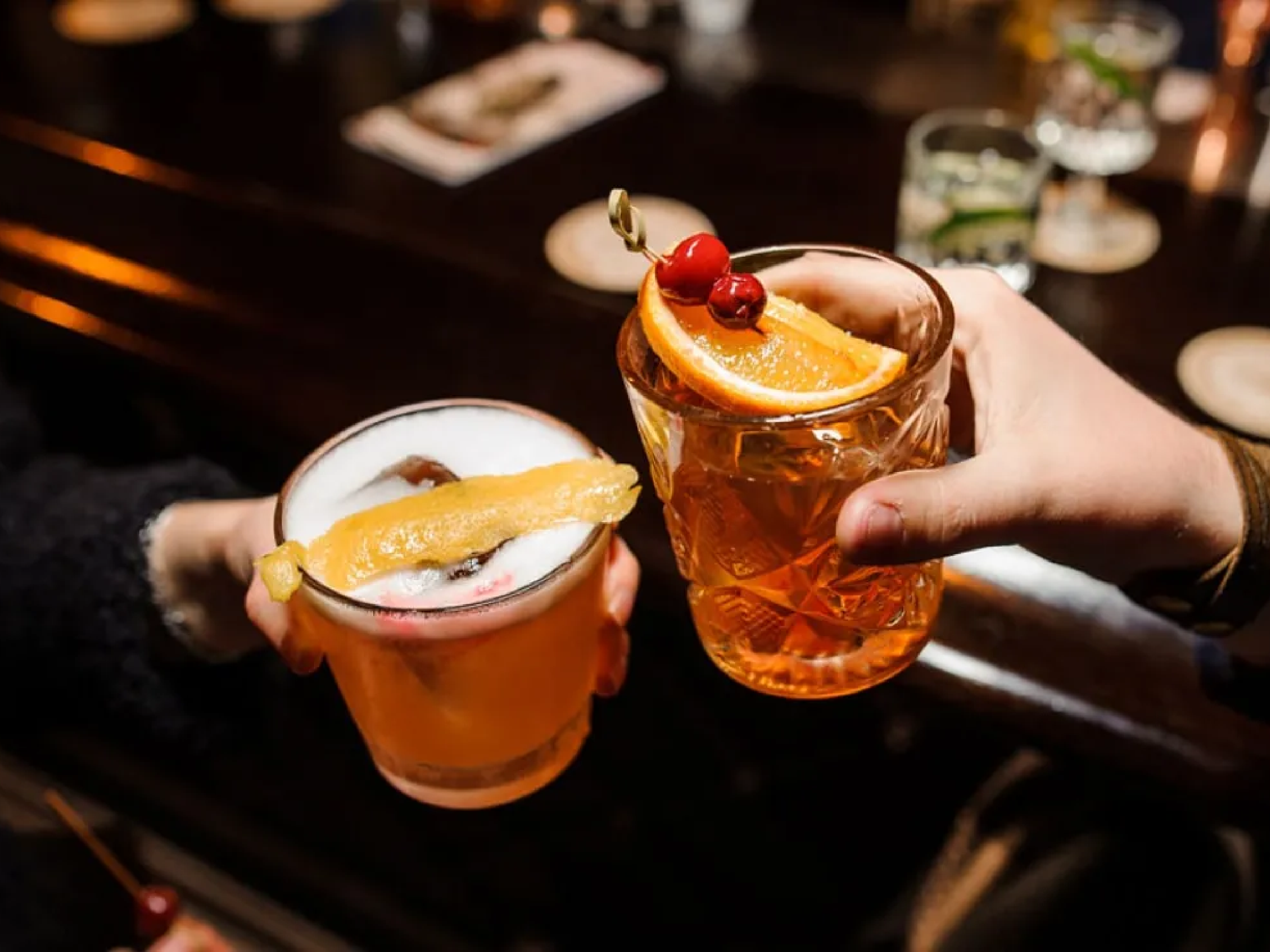

Social drinking has moved in leaps and bounds from the historic inebriation of the masses (Gin Alley through to the 20th Century). From the 1980’s onwards mass inebriation could be seen in mainly youth cultures in UK, Europe and the US where high alcohol consumption was and still is embedded into the student experience especially universities with many continuing the trend into young adulthood up to 30 somethings. The 1980’s saw the rise of the ‘Gin and Tonic’ as a social drink, and the 1990’s saw the rise of the ‘Cocktail’ as a social drink. The 2000’s saw the rise of the ‘Beer’ as a social drink, and the 2010’s saw the rise of the ‘Wine’ as a social drink. The 2020’s saw the rise of the ‘Alcohol-Free’ as a social drink.
Social & Peer Pressure
For decades, especially in the 1970’s and 1980’s peer pressure and social acceptance drove the masses towards alcohol consumption and often excessive consumption, the desire to be seen to be ‘fitting-in‘ or not wanting to be ‘Left-out‘ largely due to peer pressure seemed to be one of the main drivers of this behaviour.
A Change for the Better
Thankfully, things have moved on.
Alcohol binging and abuse is less part of the youth culture in the 2020’s than it was in the latter parts of the 20th Century and early 21st Century.
The number of people that are “sober curious” is increasing and hopefully this trend will continue in the future.
The factors for people reducing their alcohol intake or ditching it completely fall into a number of categories:
– Health – being more health conscious or being advised by medical practitioners to reduce alcohol intake or quit completely.
– Society’s attitude to alcohol – with calendarised events such as Sober October and Dry January being accepted and observed like never before.
– Family issues – alcohol abuse has destroyed many families, and some of those affected by alcohol abuse by family and friends have made changes to their own lives.
– Clean living – more and more people are investing time in health regimes, gyms, and outdoor activities, all involving the reduction of alcohol intake.
The people that have turned away from or shun alcohol are the new “GINERATION™”.
They do not want or need alcohol as part of their lives and have taken to alcohol-free alternatives.
Dietary and Religious Compliance
When creating ALCONOT™ as an all-inclusive brand we took dietary and religious requirements seriously.
Alcohol free and animal free from start to finish and verified as compliant for the following:
– Halal certified by the Halal Authority Board in the UK
– Vegetarian approved also by the Halal Authority Board in the UK
– Vegan certified by The Vegan Society and not simply self-certified as vegan friendly by ourselves.
We have not been independently assessed by any Kosher certification bodies, however, all our ingredients have Kosher, Vegan and Halal certificates from source suppliers.